
Togetherness NHS
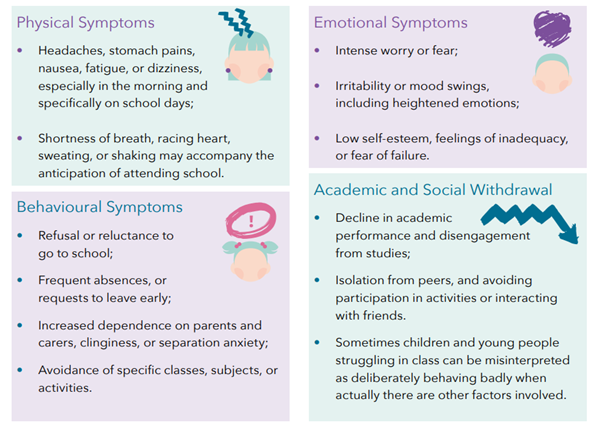
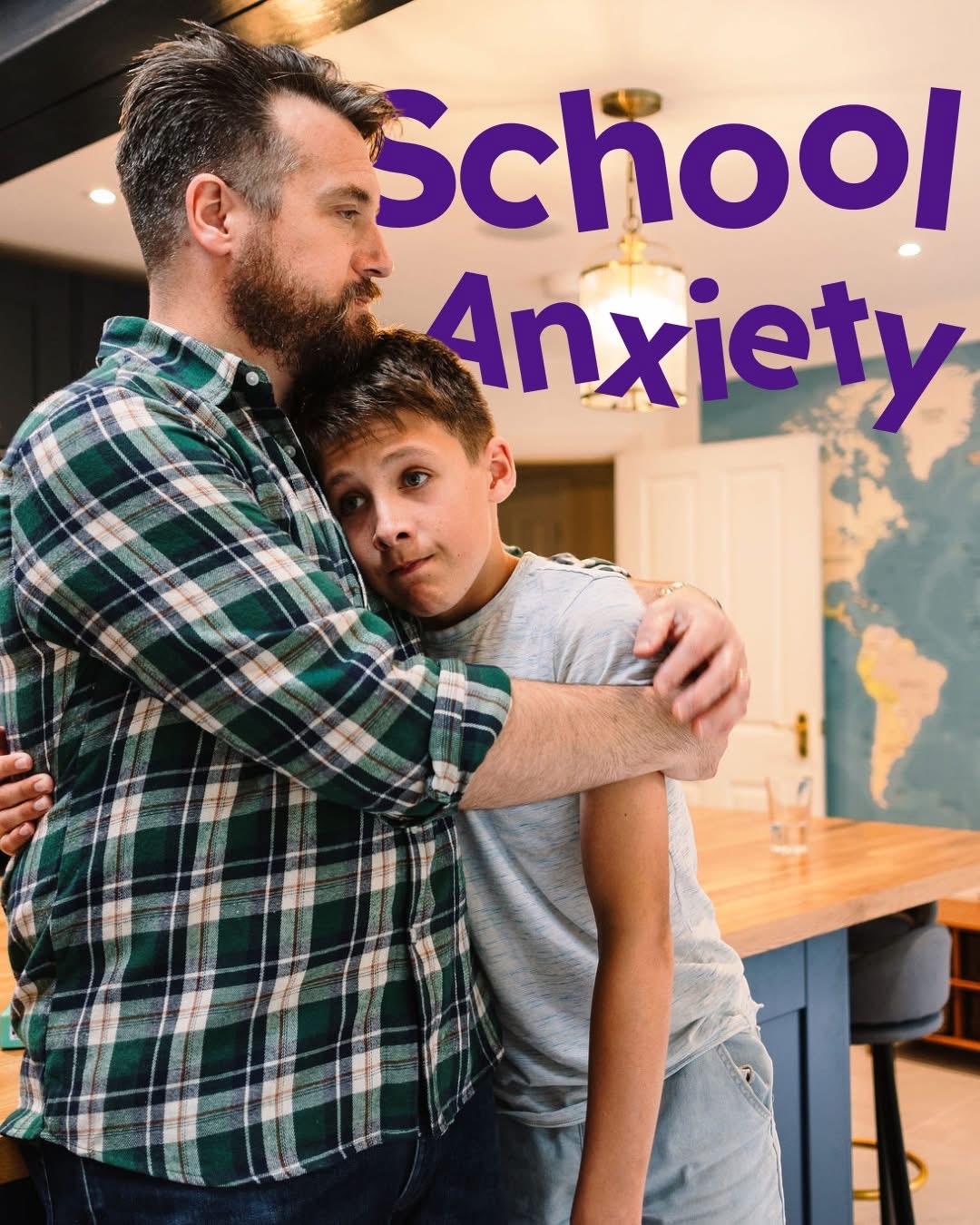
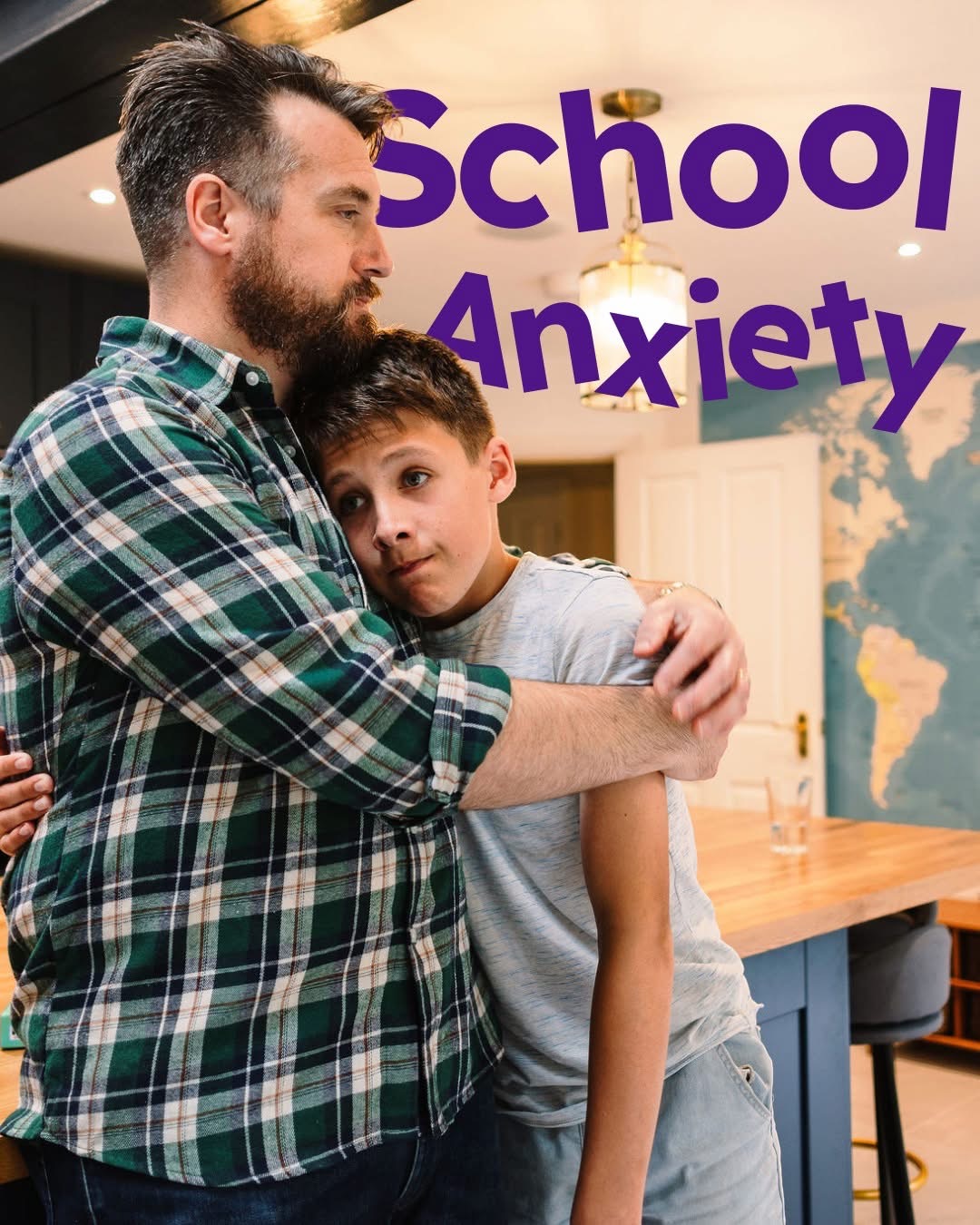
Changes to routine, new classroom learning, navigating friendships... the start of term can bring lots of changes and lots of feelings for children. Supporting your child who may be feeling anxious about school begins with understanding their world.
Our taster pathway 'Understanding your child's feelings' can support you to recognise what your child might be feeling and gives you confidence to know how to respond.
A pathway designed for busy parents for when it's not so easy. Find out more in the comments.
To Learn More 👉 https://togetherness.co.uk/pathway-library/understanding-your-childs-feelings/
Understanding your child’s feelings is important for all parents, carers, grandparents and other family members. Along this pathway, you will learn how relationships shape emotional health and wellbeing, while finding space to reflect on your child’s feelings as well as your own.
In this short, taster pathway, you will follow bitesize content with resources that you can tailor to your child’s developmental age. Our clinical child psychologists, psychotherapists and health practitioners will introduce you to ideas and techniques to help you understand your child’s feelings and behaviour to nurture them.
Parents who have completed the pathway have shared that they feel more confident with interpreting their child’s behaviour, feel more connected with their children and are able to create a reflective space when observing many different emotions.
90% learners said they found the pathway helpful
90% learners said they would recommend the pathway to friends and family
“I really enjoyed learning the different ways of communicating with my children and have come away with a positive attitude towards parenting.”
Parent from the pathway
“Very helpful to learn to step back as think about what my son’s going through instead of thinking everything is because he’s angry.”
Parent from the pathway
“It’s helped understand feelings and behaviours and how to help stabilise your child’s thoughts and guide them to understand their feelings and give empathy towards what’s going on in their minds.”
Parent from the pathway
“This pathway is helping me to stop and observe and think more about why my child is behaving the way she is and not just being naughty.”
Parent from the pathway